Designing with Empathy: The Day Accessibility Stopped Being Just Theory
Accessibility isn’t a checklist, it’s a mindset. Here’s how one formative experience reshaped my approach to inclusive design, and why empathy should lead every design decision.
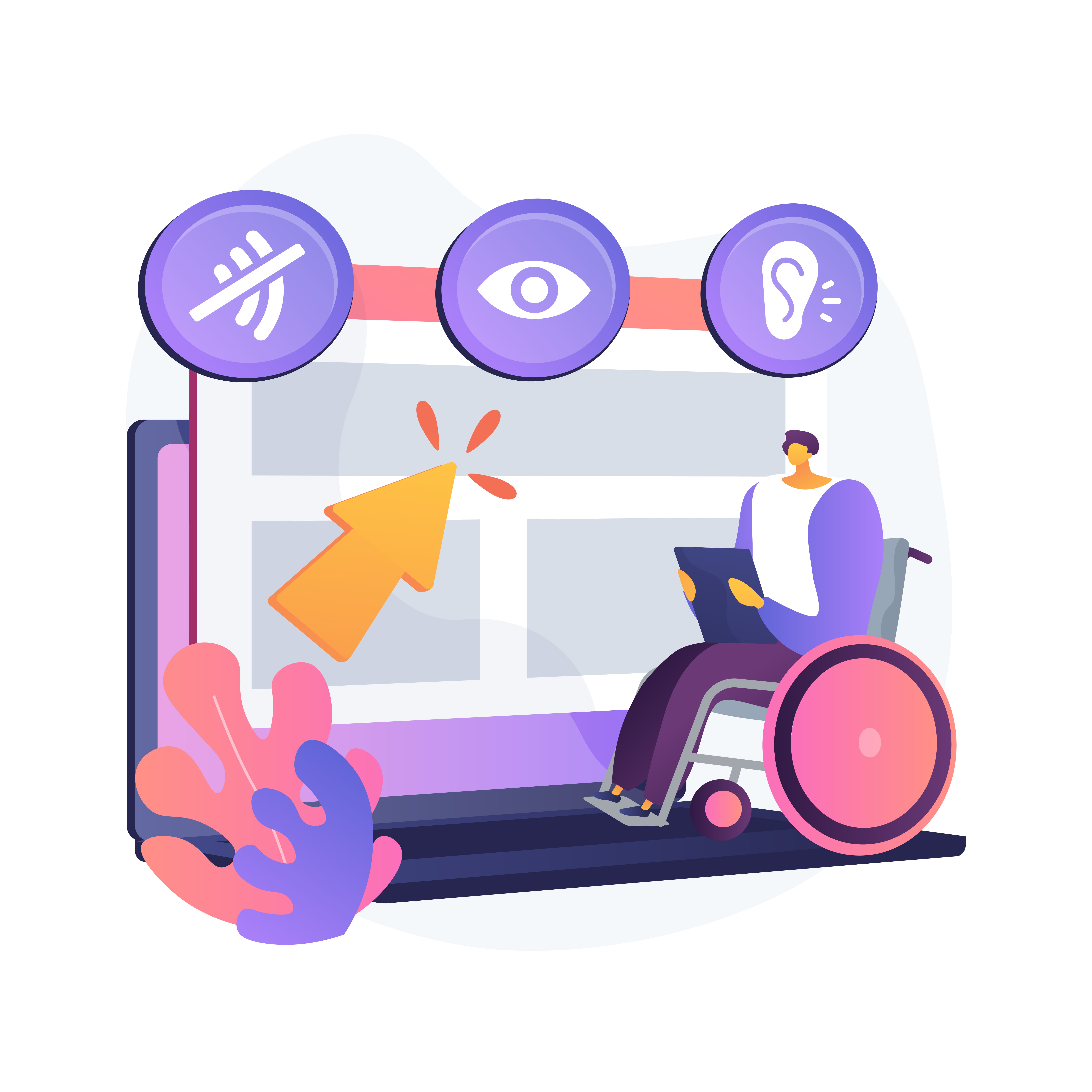
Some experiences change the way you design forever.
For me, one of those happened long before I became a UX/UI designer, back when I was studying architecture.
A lesson about real-world barriers
One day, our class was taken out into the street… in a wheelchair. The goal was simple: to navigate the city and pay attention to how ramps, curbs, and steps affected our movement. Later, we repeated the exercise blindfolded, using a cane to simulate being visually impaired.
I had never felt so insecure and vulnerable in a familiar environment.
That same day, we had the chance to talk with people who face these challenges every day. Listening to them directly, without filters or assumptions, helped me understand their needs more deeply. From that moment on, I never again justified an unnecessary step or designed a ramp that was too steep.
Empathy as a starting point
That experience left a mark on how I approach design. Years later, working in digital design, I realized that barriers aren't just physical. There are also visual, cognitive, and technological barriers, all of which we can address when we design with empathy and include a broader range of people in our testing and decision-making.
That’s why, when I decided to deepen my knowledge of digital accessibility, I took an edX course that started with what matters most: people. I really appreciated their approach because it didn’t just teach standards. It showed lived experiences, real contexts, and diverse needs. From there, the logic behind WCAG and other accessibility guidelines became much more intuitive.
Accessibility: More than a checklist
Throughout the course, I also learned to apply accessibility principles from the very beginning of the design process,not just as a final audit step. As part of the final project, I’m now reviewing and improving the accessibility of a website I designed a few years ago. It’s been incredibly valuable to look at that work with fresh eyes, paying closer attention to things like contrast, keyboard navigation, reading order, and focus states.
I truly believe that designing for accessibility means designing better.
And that change starts with small decisions, but also with an open, empathetic, and critical mindset.
In summary:
Accessibility doesn’t start in code — it starts with empathy.
Putting yourself in someone else’s shoes isn’t a metaphor — it’s a practice.
Listening and observing are just as important as knowing the rules.
The best designs don’t just look good — they can be used well, by more people.