ALEJANDRÍA – Helping Students Discover Their Path
“I don’t know what to study.” – A tool to help students find clarity in the chaos
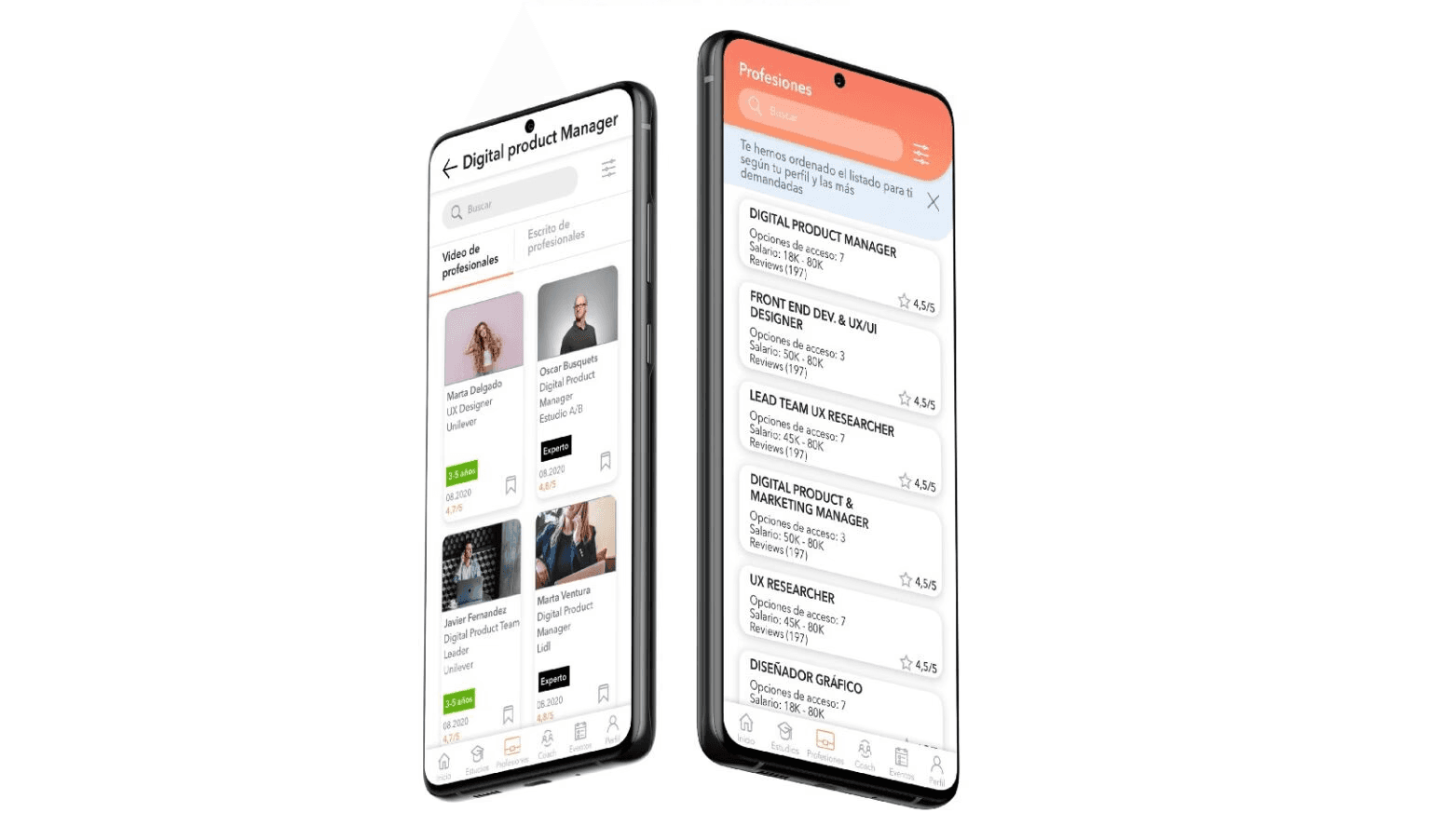
Students receive clear, tailored suggestions for careers and degrees, based on their answers and interests.
📍 Project Overview
About
Alejandría is a mobile app designed to support students facing one of the most difficult decisions at 18: What should I do with my life?
We created a space where they could explore who they are and discover real insights into different professions, through self-knowledge, real-life stories from professionals, and coaching tools.
The Challenge
There’s an overwhelming amount of information online, but most of it is generic or unhelpful. What students really need is to understand what daily life in a profession looks like and, more importantly, to understand themselves.
There was no existing space where students could safely explore their questions, doubts, and identity.
The Impact
We created a platform that simplifies decision-making by offering:
Personalized self-discovery tools
Honest conversations with real professionals
A supportive space to reflect and grow
👩💻 My Role
I led the UX/UI design of the project end to end:
Research with students and educators
Journey mapping and experience flows
Visual identity and UI component design
Prototyping and user testing
This was a collaborative design sprint with educators and stakeholders involved throughout.
📖 Project Story
🧠 We created the tool we wish we had at 18.
This project started from a very personal place.
My team and I remembered how lost and alone we felt when we had to choose what to study. We were just doing what was “expected”, without ever asking ourselves: Is this really what I want?
That question became the core of Alejandría.
We spoke to 18-year-olds today and realized not much has changed — confusion, loneliness, and pressure are still the norm.
👂“I feel like no one gets how lost I am.”
In interviews, students shared stories of isolation and stress.
One phrase stuck with us:
“I have too much information, but no answers.”
That’s when we realized: it’s not about more content. It’s about better connection.
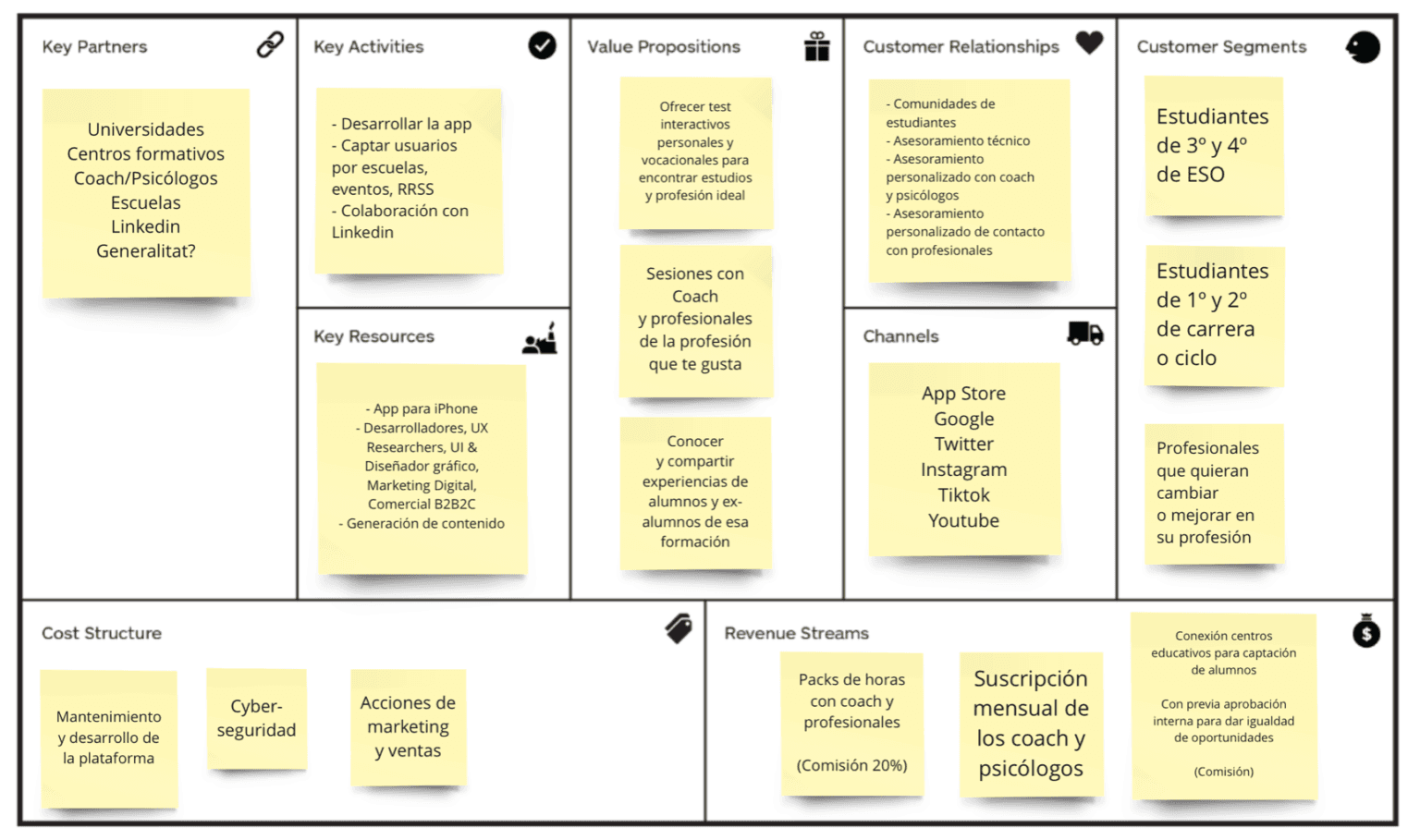
Lean Canvas
🧭 Designing with empathy, not just features
Instead of pushing features, we built a journey:
A self-discovery test to help students understand their values and personality
Career stories from real professionals to visualize life beyond the title
A coaching space where users could reflect and ask questions
Everything was designed with Laura in mind – an 18-year-old girl who felt completely lost about her future. She didn’t need another generic quiz; she needed to feel seen and supported.
🔄 Testing + Iterating with real users
We tested with students and iterated quickly:
Simplified complex career information
Added emotion to the UI to make it feel warm, not academic
Made the onboarding flow more intuitive and inviting
Feedback showed students finally felt that someone understood them.
Testing Results:
✅ 100% completed the test
✅ 86% felt it helped clarify their direction
✅ 3 out of 4 said they’d recommend it to a friend
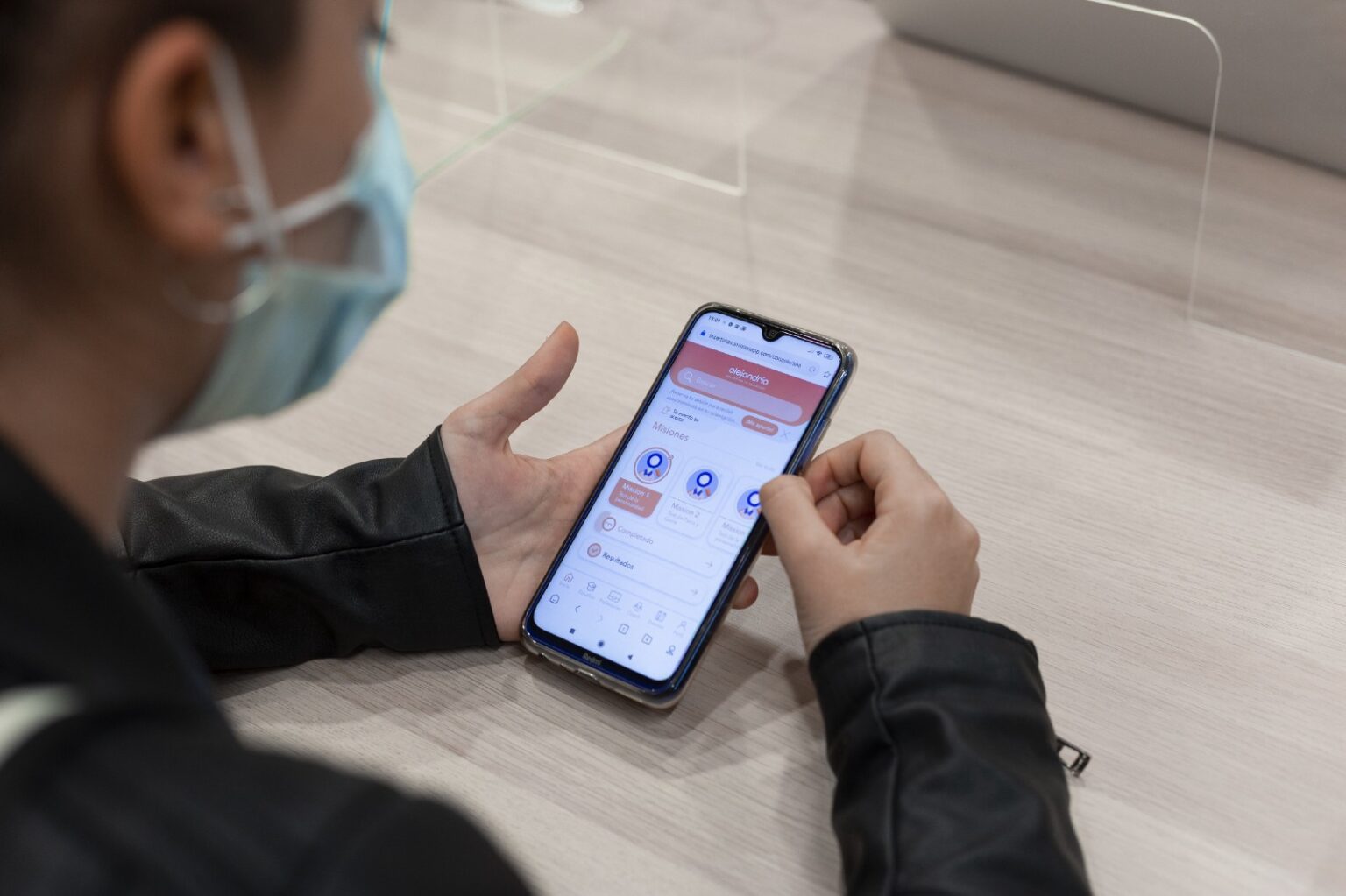
One of the user test that we made
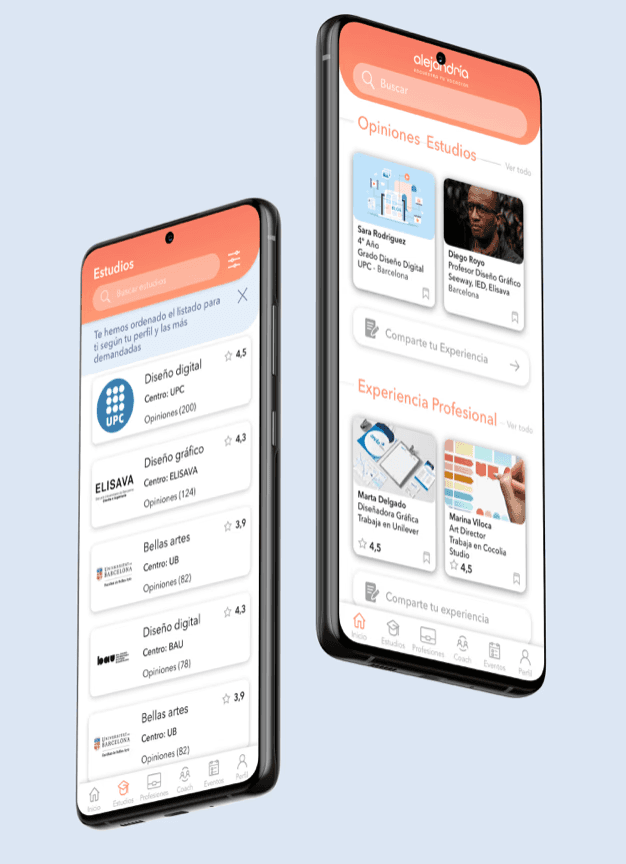
A mockup that displays the various opinions of the studies
✅ Results
🎯 Impact
Students described the app as “a breath of fresh air” in a noisy and impersonal process.
They felt empowered, not judged.
The platform helped them feel less alone in their decision.
🌱 What I learned
This project reminded me of something simple but powerful:
Real value doesn’t come from features, it comes from empathy.
By staying close to the user throughout, through interviews, surveys, and ongoing testing, we uncovered real frustrations, not assumptions. That allowed us to design solutions that truly mattered.
One of the toughest challenges was simplifying complexity. We had so much information, but we knew that clarity beats quantity. Students didn’t need more data, they needed a safe, intuitive space to reflect and explore.
Building around our user persona, Laura, helped us stay grounded in empathy. Every design decision was driven by her needs, emotions, and mindset.
In the end, user testing wasn’t just about validating what we built, it was about learning how to ask better questions. And that’s where good design really begins.